
Traditions & Festivals — Patriotism in Practice
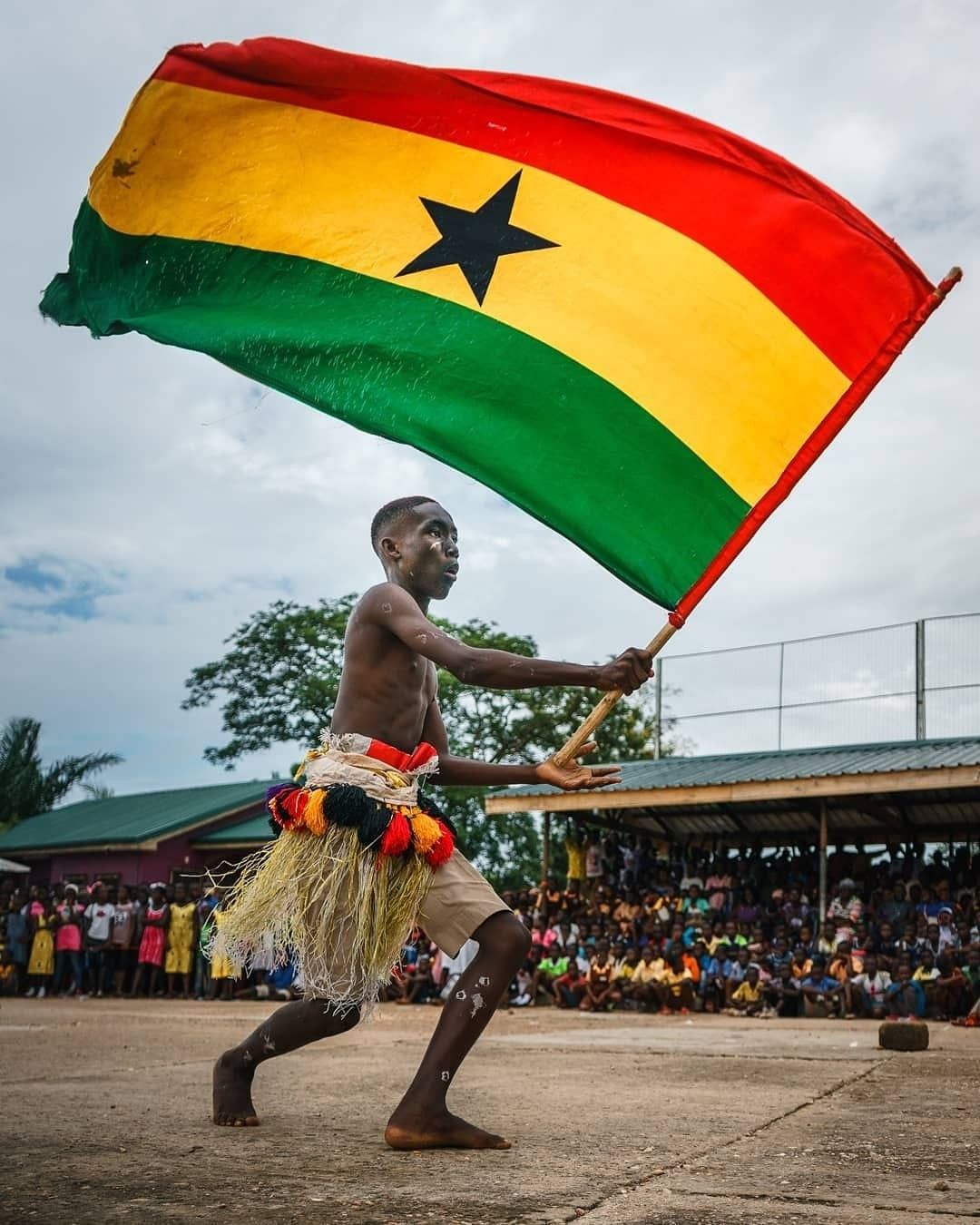
In Ghana, patriotism is not abstract — it is lived through our traditions. Every festival is an act of cultural preservation, every ritual a statement of identity, and every gathering a reaffirmation of belonging.
Chieftaincy System
Akwasidae
Held every six weeks at Manhyia Palace, Kumasi
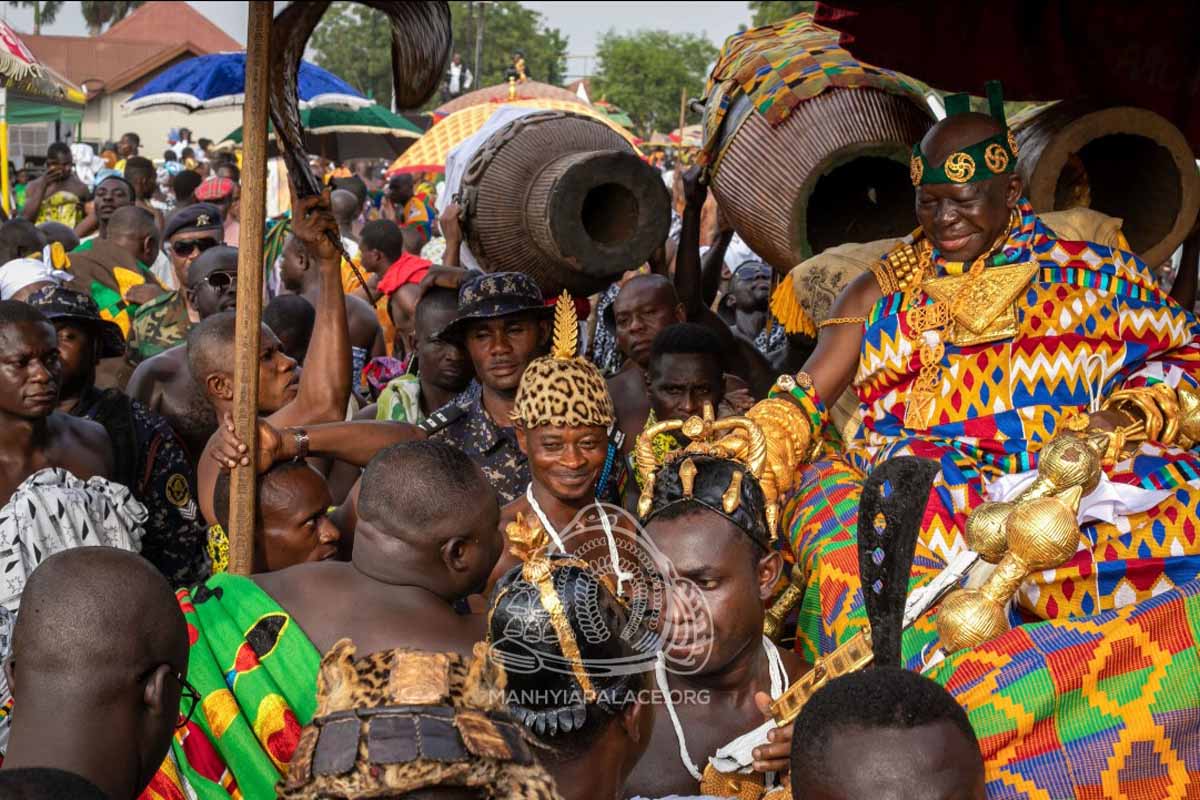
The Akwasidae festival is one of the most magnificent displays of the Asante Chieftaincy institution. Held every forty-two days, it brings together chiefs, queen mothers, elders, and citizens from across the Asante Kingdom in a grand ceremony of remembrance and renewal.
During Akwasidae, the Asantehene sits in state beneath magnificent ceremonial umbrellas, adorned in gold regalia passed down through generations. Drummers and horn-blowers fill the air with music, while dancers perform traditional dances like the Fontomfrom and Adowa. Citizens pay homage to their king and to the spirits of past rulers.
The festival is the living heartbeat of governance. Disputes are settled, announcements are made, and the unity of the kingdom is publicly reaffirmed. The Chieftaincy system remains one of the most enduring and respected institutions in Ghana.
 Kumasi
 Abadinto
Naming Ceremony — Abadinto
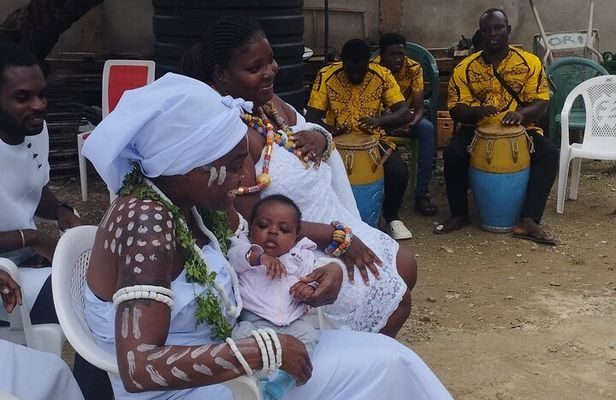
A child is not truly a member of the community until named. The Abadinto ceremony typically takes place on the eighth day after birth. The child receives a "soul name" determined by the day of the week they were born.
Kwame
Saturday (M)Ama
Saturday (F)Kofi
Friday (M)Afua
Friday (F)Kwasi
Sunday (M)Akosua
Sunday (F)These soul names are believed to influence character and destiny. A Kofi is said to be a wanderer at heart, while an Ama is associated with leadership. The ceremony also involves presenting the child to ancestors and pouring libation for blessings.
 Spiritual Connection
Libation — Honoring the Ancestors
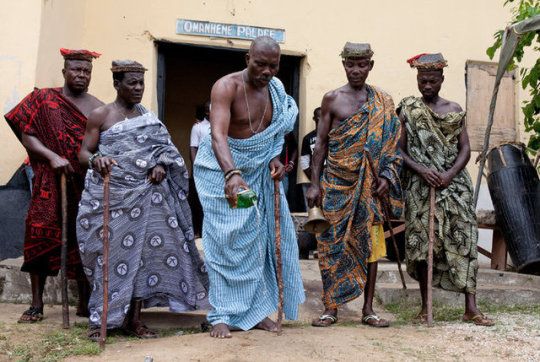
Libation is one of the oldest and most sacred rituals in Ghanaian culture. It involves pouring water, palm wine, or spirits onto the ground while invoking the names of ancestors and deities to witness the occasion and bless the living.
The words spoken during libation flow from the elder's deep knowledge of lineage and spiritual wisdom. Each name called is a thread in the unbroken chain connecting the present to the past.
Libation is performed during virtually every important occasion — festivals like Hogbetsotso and Akwasidae, naming ceremonies, funerals, weddings, and before important meetings. To pour libation is an act of patriotism — it honours the foundations upon which the nation stands.
Featured Festival
Hogbetsotso
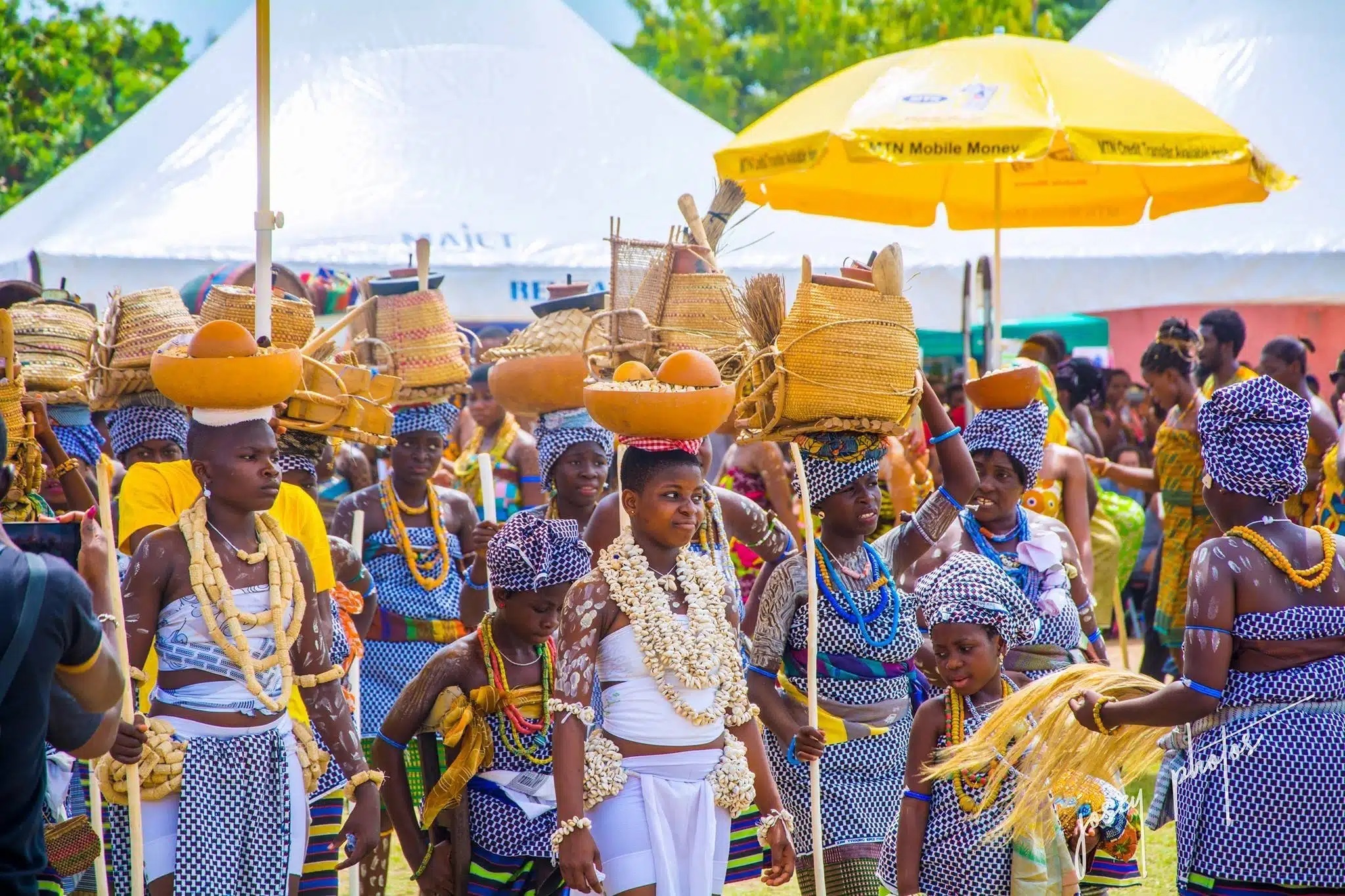
The Hogbetsotso Festival of the Anlo Ewe people commemorates their legendary migration from Notsie in present-day Togo to their current homeland in the Volta Region. It features a grand durbar of chiefs, drumming, dancing, and the symbolic re-enactment of crossing the walls of Notsie — a powerful narrative of courage, unity, and the determination to be free. Celebrated every November in Anloga, it draws people from across Ghana and the diaspora.