
People & Languages — Pride in Diversity
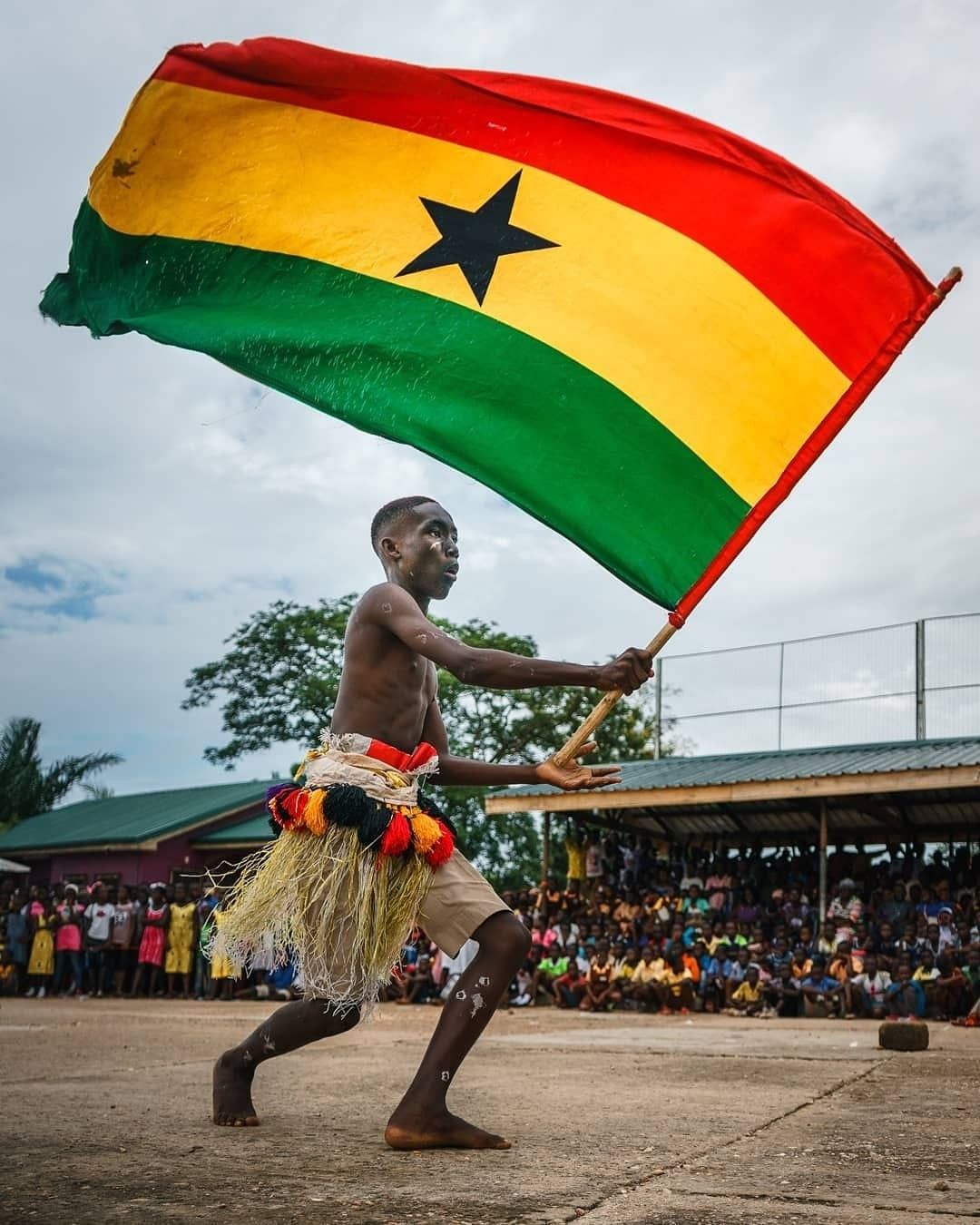
Ghana is home to over 100 ethnic groups, each with its own language, traditions, and contributions to the national tapestry. This diversity is not a weakness — it is the very essence of our strength.
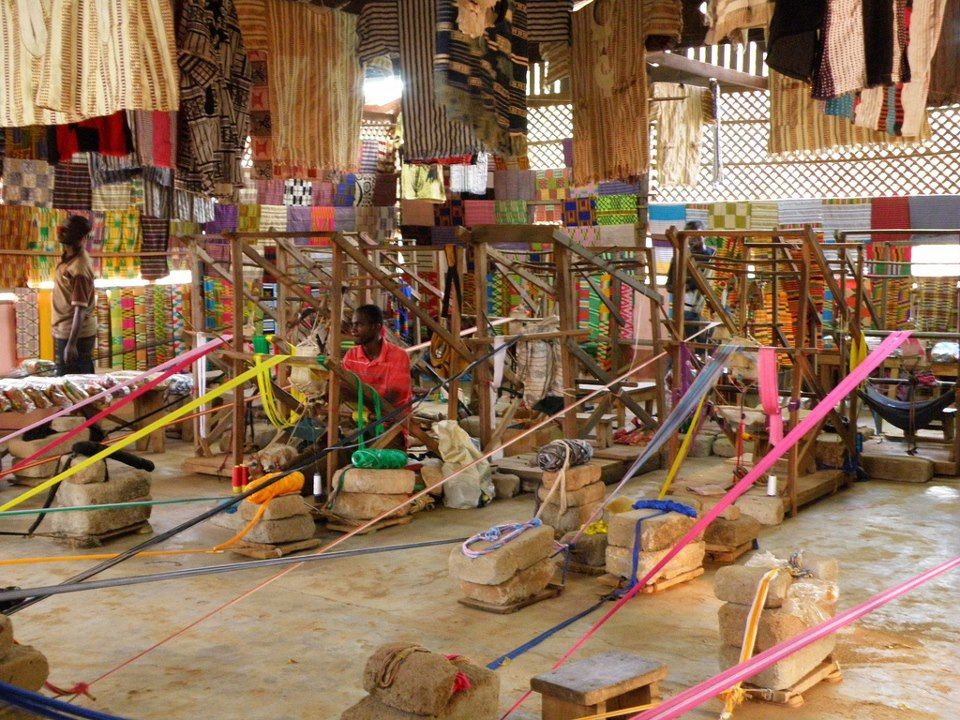 Kente Weavers of Kumasi
The Asante
The Asante people of the Ashanti Region are perhaps the most internationally recognised Ghanaian ethnic group, largely due to the iconic Kente cloth. Woven on traditional looms, each pattern carries a name and a philosophical message — it is not merely fabric but a visual language.
The Asante Kingdom, with its capital at Kumasi, was one of the most powerful states in West Africa. The Manhyia Palace remains the seat of the Asantehene, and the Golden Stool — the Sika Dwa Kofi — is the sacred symbol of Asante unity that no one has ever sat on.
 Damba Festival
The Mole-Dagbani
The Mole-Dagbani people inhabit the northern regions, where the landscape shifts to savannah. Their resilience in the face of harsh climatic conditions speaks to a deep cultural strength forged over centuries of adaptation and community solidarity.
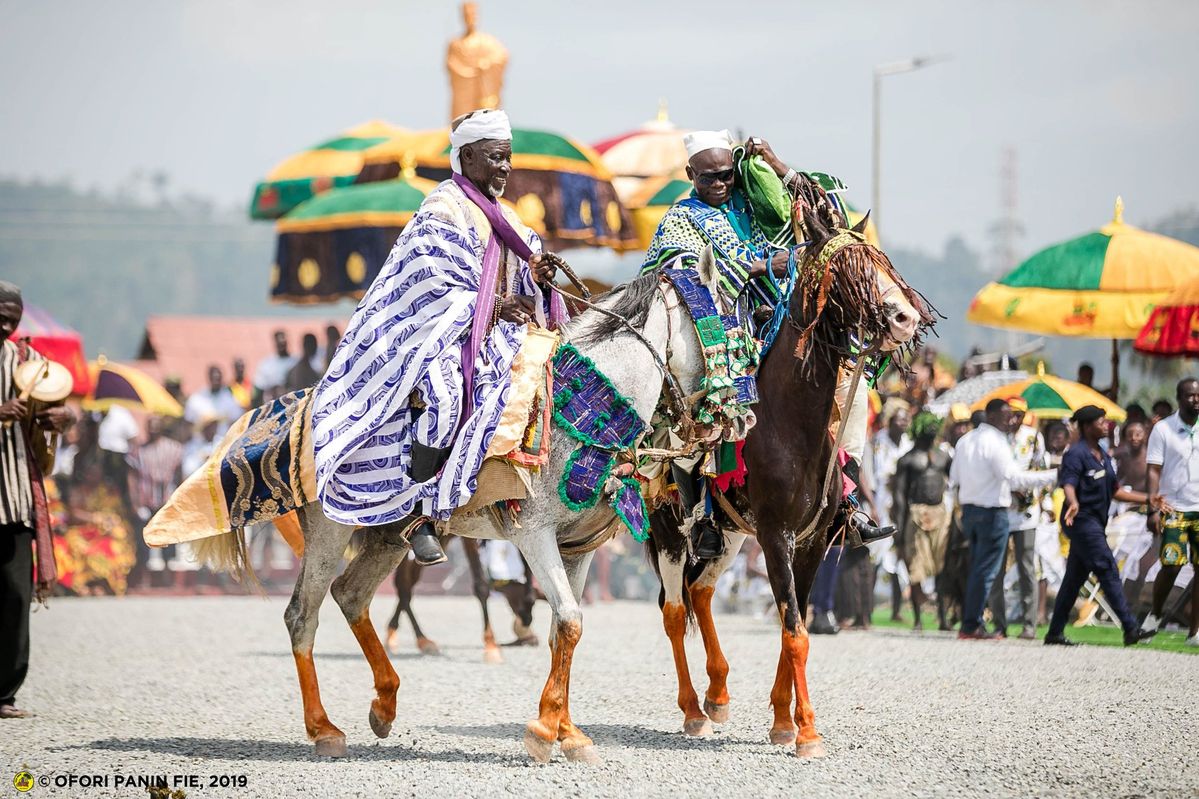
The Damba Festival, celebrated in honour of the birth of the Prophet Muhammad, features spectacular horse-riding displays, traditional drumming, and dancing that fills the streets with colour — a powerful testament to northern pride.
 Homowo — Hooting at Hunger
The Ga-Dangme
The Ga-Dangme people are the custodians of Ghana's capital, Accra. Their most famous festival, Homowo — meaning "hooting at hunger" — commemorates the end of a devastating famine in pre-colonial times.
During Homowo, the preparation and sprinkling of Kpokpoi (millet food) is central to the ritual. The festival is both a celebration of survival and a spiritual reconnection with ancestors. The Ga people's relationship with the sea defines a unique coastal identity.
Cultural Exchange
The Art of Greeting
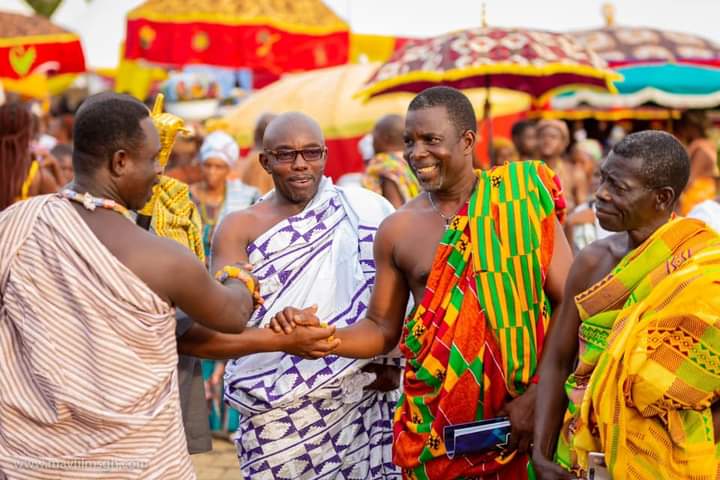
In Ghanaian culture, greetings are not mere formalities — they are sacred acts of acknowledgement. To greet someone properly is to recognise their humanity. It is the first lesson every child learns, and it remains the most important throughout life.
Maakye
Good morning — "Yaa Agya"
Maaha
Good afternoon — "Yaa Agya"
Maajo
Good evening — "Yaa Agya"